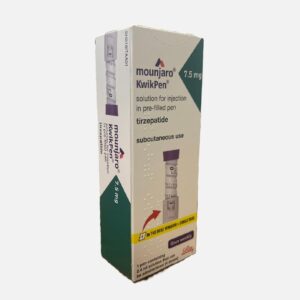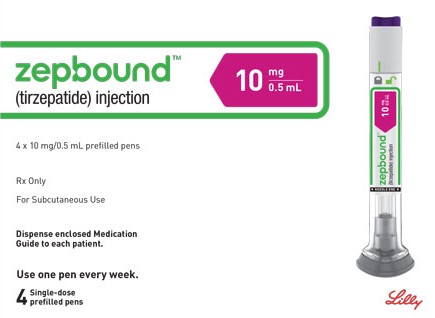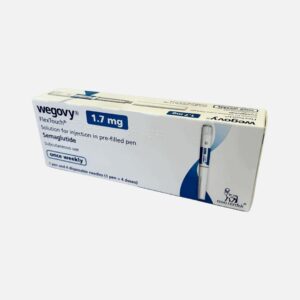
Description of Zepbound
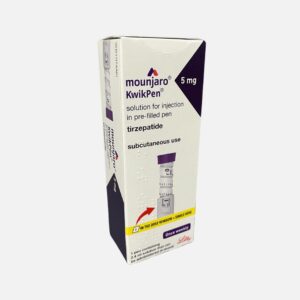
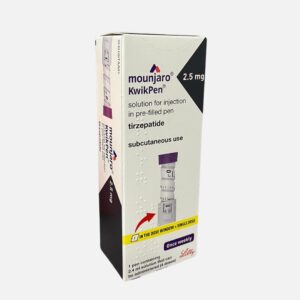
- Role in Dosing: Zepbound dosing begins at and is typically escalated every four weeks in increments (, , , etc.). The once-weekly dose is a maintenance dose reached after three prior dose escalations and is one of the effective therapeutic doses. The maximum recommended dose is .
- Mechanism of Action: Zepbound contains tirzepatide, a dual GIP and GLP-1 receptor agonist. This mechanism helps to reduce appetite, increase satiety, and slow down food movement in the stomach, promoting significant weight loss when combined with a reduced-calorie diet and increased physical activity.
- Administration: The dose comes as a liquid solution () in a single-dose prefilled injection pen or vial. It is a subcutaneous injection administered once weekly into the thigh, abdomen, or upper arm.
- Safety and Side Effects: With dose escalation, patients continue to be monitored for common gastrointestinal side effects (nausea, vomiting, diarrhea, constipation) and serious, though rare, risks like pancreatitis, gallbladder issues, and the Boxed Warning for the risk of thyroid C-cell tumors.

Femara - Letrozole (Estrogen Blocker) 2.5mg/50tabs - Apoxar
HGH Nurotropin - Growth Hormone 120IU
Zepbound
Ozempic (1mg)
Testosterone Cypionate 250mg/ml - Apoxar
Cialis - Tadalafil 20mg/50tabs - Apoxar
Winstrol Stanozolol 10mg Tablets (60 Tabs) | Best Information, Usage & Research Guide
Lasix - Furosemide 40mg (Diuretic) /100 tabs
Mounjaro Weight Loss Injection (7.5mg) 


Reviews
There are no reviews yet.